Veterinary Practice Management: What Is It and Why Is It Important?
Veterinary practice management refers to the systematic approach of overseeing all aspects of a veterinary clinic or hospital, from appointment scheduling and patient records management to inventory control and billing. It plays a crucial role in ensuring the efficient operation and financial success of veterinary practices by streamlining workflows, enhancing client communication, and improving patient care.
How do Veterinary Management Systems Work?
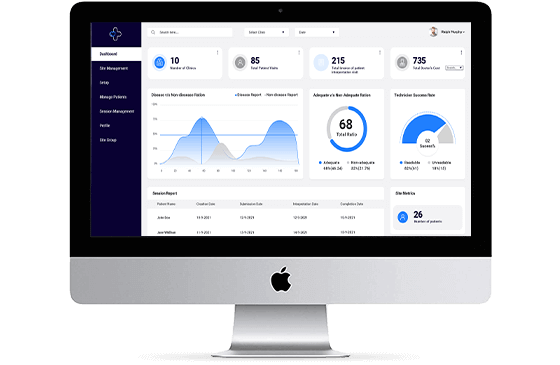
Veterinary management systems are software solutions designed specifically for the unique needs of veterinary practices. These systems typically include modules for appointment scheduling, medical records management, inventory tracking, billing and invoicing, and client communication.
Veterinary management system centralizes all practice operations into one integrated platform, allowing veterinarians and staff to access critical information quickly and efficiently.
 |
| veterinary practice management |
Benefits of Veterinary Practice Management Software:
Investing in veterinary practice management software offers numerous benefits for veterinary practices, including:
Improved Efficiency: Veterinary practice management software automates routine tasks such as appointment scheduling, record-keeping, and inventory management, freeing up staff time and increasing productivity.
Enhanced Client Communication: With features such as email and SMS reminders, online appointment booking, and client portals, veterinary management software facilitates seamless communication between veterinary practices and their clients, leading to better client satisfaction and retention.
Streamlined Workflow: By centralizing all practice operations into one software platform, veterinary management software streamlines workflows and reduces errors, ensuring smooth and efficient practice operations.
Better Patient Care: Veterinary practice management software allows veterinarians to access comprehensive patient records, including medical history, treatment plans, and diagnostic results, enabling them to deliver better-informed and more personalized care to their patients.
Financial Management: Veterinary management software includes features for billing and invoicing, payment processing, and financial reporting, helping practices manage their finances more effectively and improve revenue generation.
What Are the Options for Customizing Veterinary Practice Management Systems?
Veterinary practice management systems offer customizable options to tailor the software to the specific needs of individual practices. Customization options may include:
Adaptable Templates: Veterinary management software often includes customizable templates for medical records, treatment plans, and client communications, allowing practices to create templates that match their unique workflow and preferences.
Integration Capabilities: Veterinary management systems may offer integration with other software solutions, such as laboratory information systems or imaging software, to streamline data exchange and enhance interoperability.
User Permissions: Practice owners can set user permissions within the veterinary management software to control access to sensitive information and ensure data security and compliance with privacy regulations.
Reporting and Analytics: Veterinary management software may include reporting and analytics tools that allow practices to track key performance indicators, identify trends, and make data-driven decisions to improve practice efficiency and profitability.
What Factors Should You Consider When Choosing the Right Veterinary Software?
When selecting veterinary practice management software, it's essential to consider several factors, including:
Features and Functionality: Assess your practice's specific needs and requirements and choose software that offers the features and functionality you need to streamline operations and improve patient care.
Ease of Use: Look for veterinary management software that is intuitive and user-friendly, with a clean and organized interface that makes it easy for staff to learn and use.
Cost and Value: Consider the cost of the software and evaluate its value based on the benefits it offers, such as increased efficiency, improved client communication, and better patient care.
Customer Support: Choose a veterinary management software provider that offers excellent customer support, including training resources, technical assistance, and ongoing support and updates.
Integration Capabilities: If your practice uses other software solutions, such as accounting software or imaging systems, ensure that the veterinary management software integrates seamlessly with these systems to streamline data exchange and enhance interoperability.
Conclusion
Veterinary practice management software plays a vital role in helping veterinary practices streamline operations, enhance client communication, and improve patient care. By investing in a comprehensive veterinary management system, practices can increase efficiency, boost revenue, and provide better service to their clients and patients.
With customizable options and integration capabilities, veterinary practice management software offers practices the flexibility and scalability they need to adapt to evolving industry trends and grow their business.


Comments
Post a Comment