How Is Remote Patient Monitoring System Redefining the Future of Healthcare?
In an era defined by technological advancements, the healthcare industry is witnessing a transformative shift towards more personalized and efficient patient care. Central to this evolution is the widespread adoption of Remote Patient Monitoring (RPM) systems, which are redefining the landscape of healthcare delivery.
What is Remote Patient Monitoring?
Remote Patient Monitoring, often abbreviated as RPM, is a cutting-edge healthcare approach that leverages technology to collect patient data outside traditional healthcare settings. This revolutionary system empowers healthcare professionals to monitor patients remotely, providing timely insights into their health status and enabling proactive interventions.
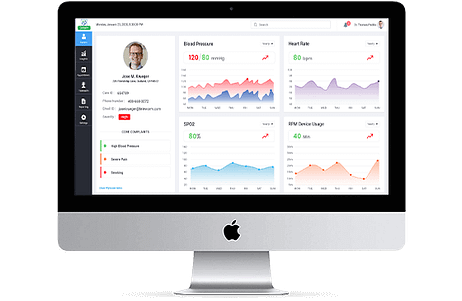 |
| Remote Patient Monitoring |
Is Healthcare Delivery amid a Revolution?
With the advent of the Remote Patient Monitoring System, patient care has transcended the confines of hospitals and clinics. These systems facilitate real-time tracking of vital signs, ensuring continuous monitoring without the need for constant physical presence. This not only enhances patient comfort but also contributes to the early detection of health issues.
What Constitutes the Key Components of Patient Monitoring Systems?
Continuous Data Collection: Remote Patient Monitoring Systems gather a wealth of data, including vital signs like heart rate, blood pressure, and oxygen levels. This continuous stream of information offers a comprehensive view of the patient's health status.
User-Friendly Platforms: The evolution of remote patient monitoring platforms has been marked by user-friendly interfaces, ensuring seamless integration into the existing healthcare infrastructure. These platforms empower healthcare providers with intuitive tools for data analysis and decision-making.
What Advantages Does Remote Patient Monitoring Offer to Healthcare?
Timely Intervention: Remote patient monitoring enables healthcare professionals to identify potential health issues at an early stage. This allows for prompt intervention, preventing the escalation of medical conditions and improving patient outcomes.
Reduced Healthcare Costs: By minimizing the need for frequent hospital visits, remote patient monitoring contributes to cost reduction for both patients and healthcare providers. Preventive care and early intervention can significantly lower long-term healthcare expenses.


Comments
Post a Comment