How to seamlessly integrate Epic Systems with different healthcare applications?
Epic Systems, a leading health information technology provider, is integral to many healthcare organizations, facilitating seamless operations and improved patient care. This software is adept at interfacing with various health programs, ensuring secure communication of patient data throughout the treatment process.
What are Epic Systems used for?
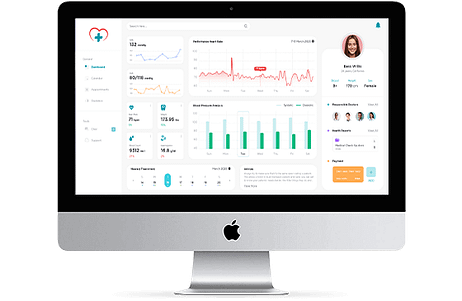
Primarily employed by major U.S. hospitals and health systems, Epic EHR integration serves as a comprehensive solution for accessing, organizing, storing, and distributing electronic medical records. Its modules cover billing, scheduling for new patients, and more, with the overarching goal of supporting remote care operations and enhancing patient involvement.
 |
| epic systems |
Advantages and Disadvantages of Epic Systems:
Advantages:
- Enhanced operations
- Lower infrastructure costs
- Increased compliance
- Versatility for practices of all sizes
- Easy integration with third-party apps and healthcare systems
Disadvantages:
- Pricing and integration challenges
- Costs associated with data transmission to non-Epic platforms
How does this solution enhance healthcare interoperability management?
Epic Systems integration ensures adherence to industry standards (HL7, FHIR, ADT, CCD, CCDA, ORU, and ORM) for clinical and administrative data interchange. The incorporation of interoperability frameworks, APIs, data warehouses, and data mapping tools further streamlines healthcare interoperability management.
How does Epic system integration contribute to streamlining billing processes?
Epic Systems integration plays a crucial role in preventing errors in billing and coding, thereby averting financial losses and fines. The system's high accuracy in field auto-fill enhances billing procedures, facilitating efficient and error-free claim submissions.
How to seamlessly integrate Epic Systems with different healthcare applications?
The seamless integration of Epic Systems with diverse healthcare applications is achieved through custom-made APIs and client IDs. This includes integration with existing EHRs, billing systems, CDSS, clinical informatics, mHealth, and practice management solutions.
Conclusion:
In conclusion, the adoption of Epic Systems significantly improves care delivery, overall productivity, and decision-making efficacy in healthcare. By implementing the Epic EHR system, healthcare professionals ensure efficient electronic data sharing, leading to enhanced clinical decisions and improved care outcomes.


Comments
Post a Comment